Google rolls out improved SynthID AI content detector, now available globally
The new SynthID website can now identify AI content from Google, OpenAI, and more.

All Ars Technica stories
The new SynthID website can now identify AI content from Google, OpenAI, and more.

More than just a sponsor: OpenAI has been helping Ganassi with setups.
Its excesses may try one’s patience at times, but the film sticks the landing with a savagely moving finale.
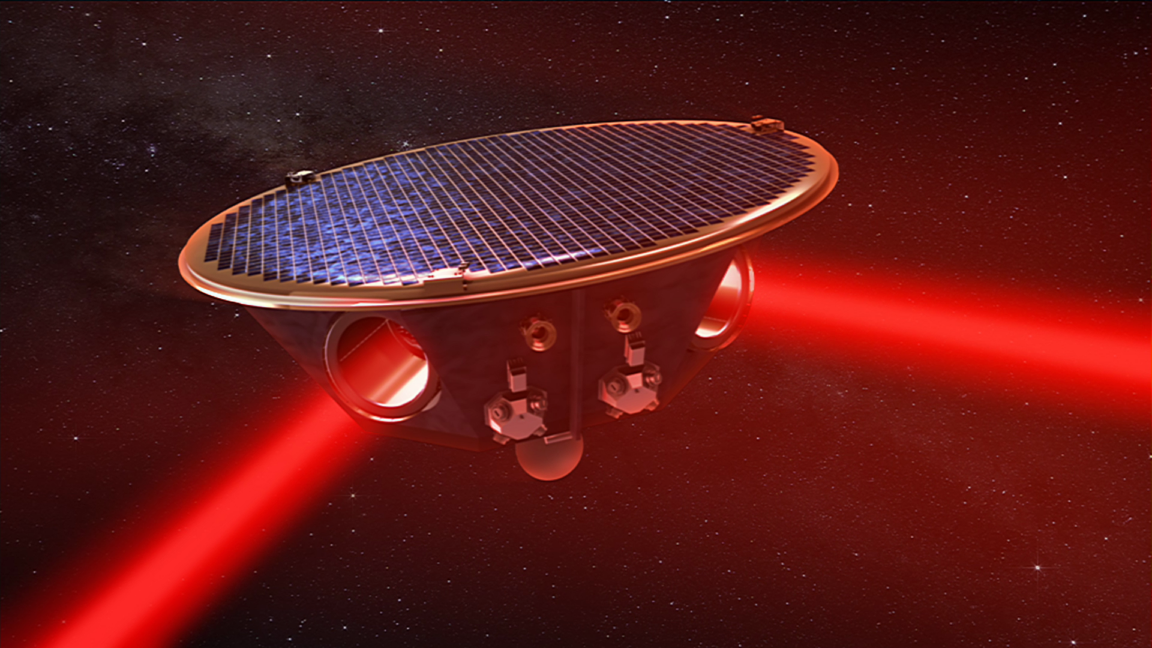
"We are in the era of people interested in having good deals, and LISA is a very good deal for the US."
Two cargo ships have sunk, one ship was afire, and sailors are dead or missing.
Like other solutions, it is not especially reliable, and it's easy to circumvent.
A combined service could lead to higher prices.
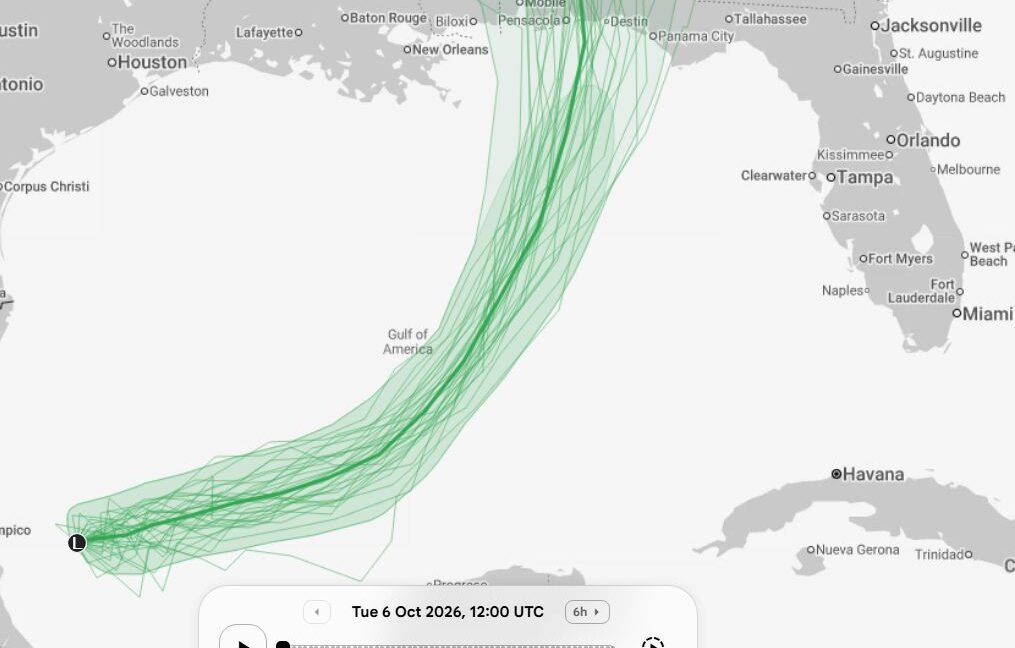
To date, this Atlantic tropics year has been exceptionally quiet.
Compromise of 3 domain registries allows hackers to walk off with unauthorized certs.
Paramount now owns Warner Bros. as last-ditch effort to stop $111B merger fails.
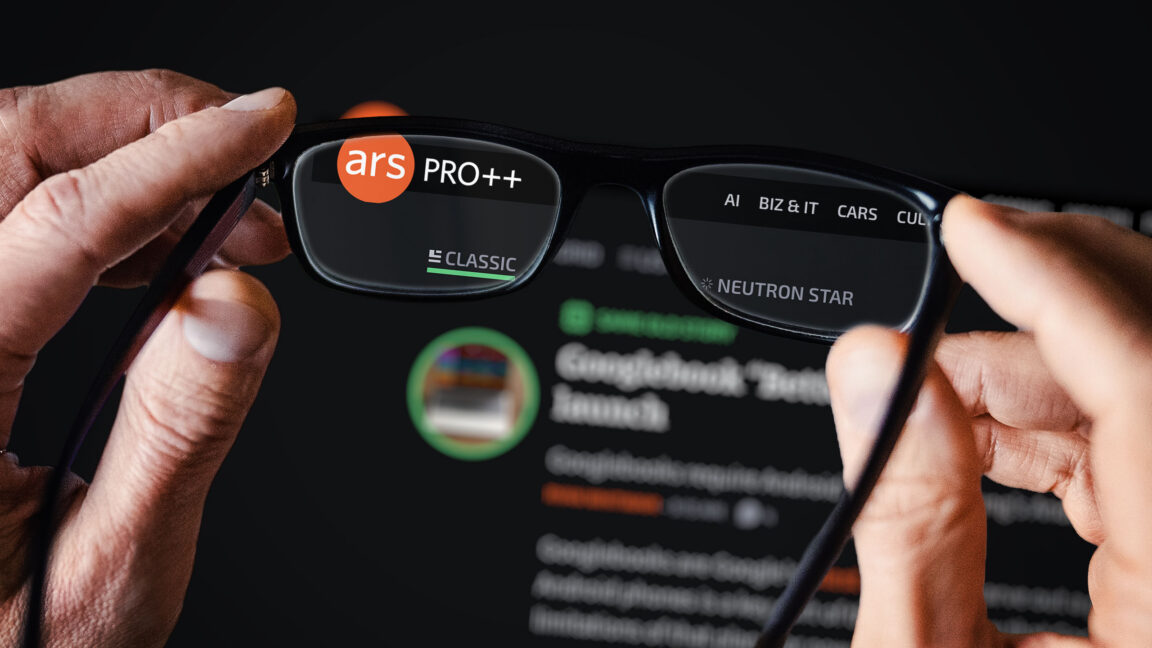
ArsPro gives you more ways to read while directly supporting our journalism.
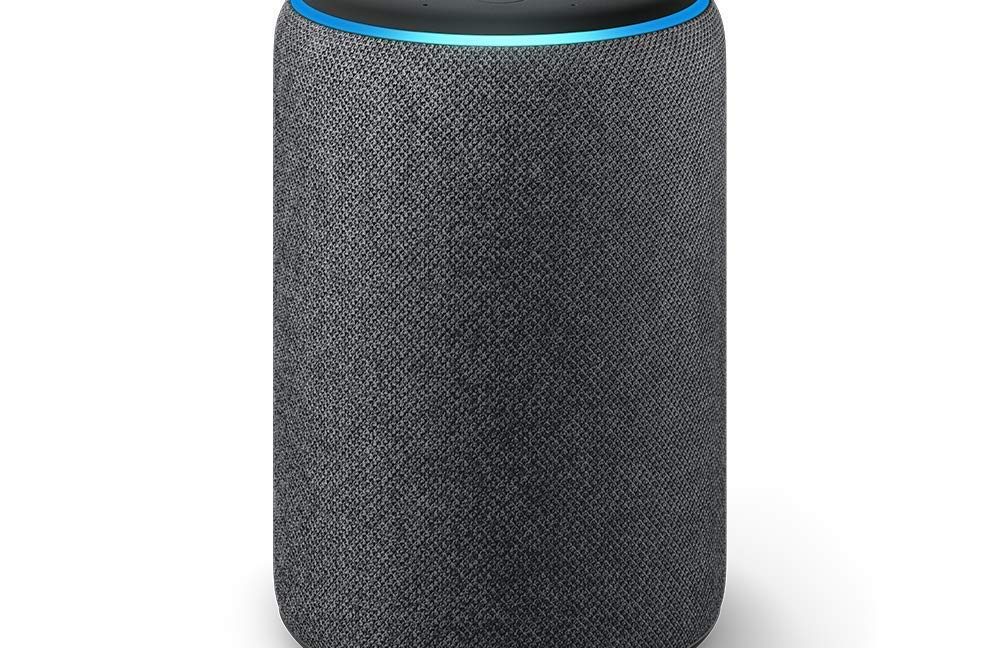
Amazon hasn't made an Echo with a 3.5mm port in six years.
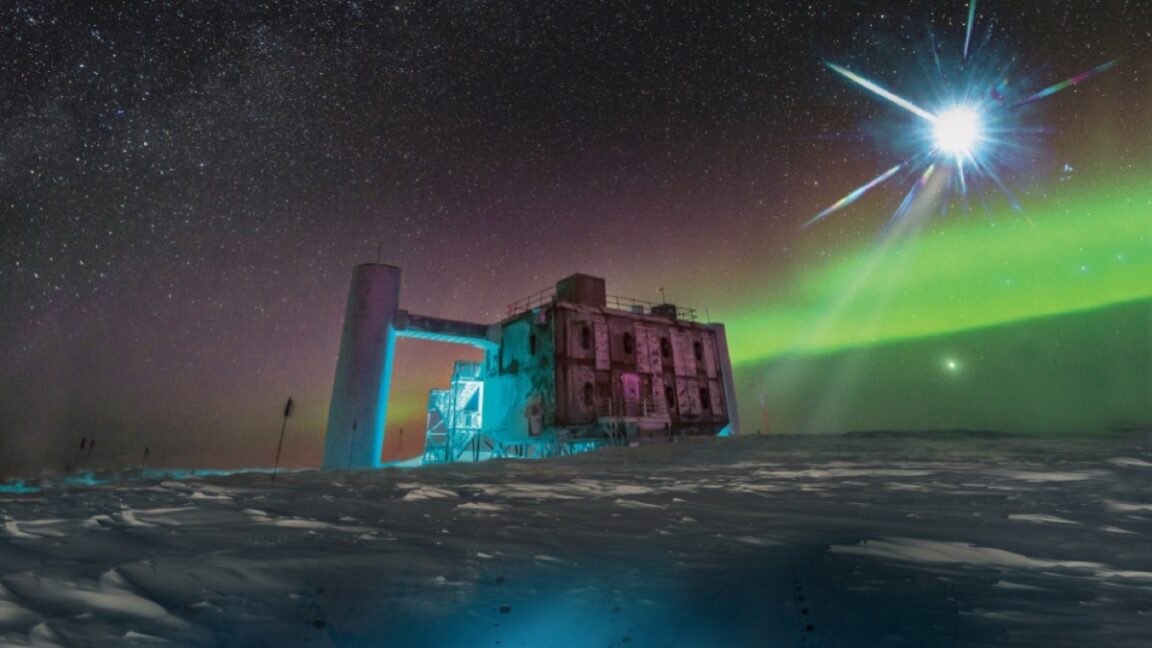
Francis Halzen of University of Wisconsin-Madison led development of IceCube Neutrino Observatory.
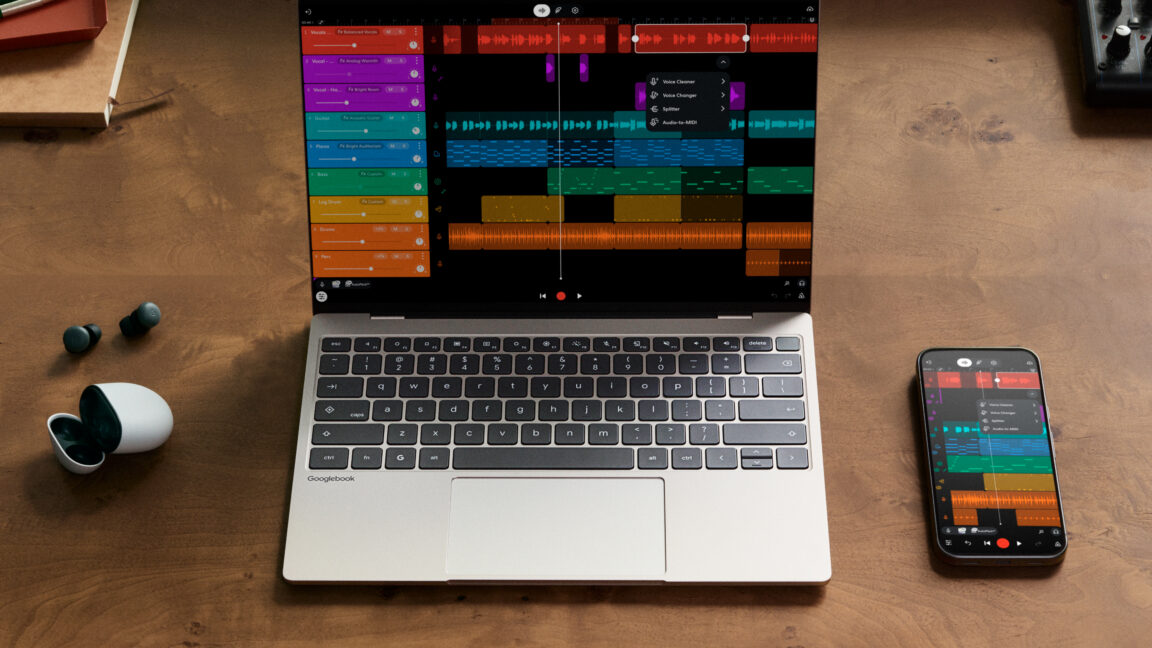
Googlebooks require Android 17, but Samsung's Android 17 phones won't work yet.
"The administrator's directive is a coherent and necessary vision for the future."
The Pebble Flow has a 45 kWh LFP battery and can even charge an EV.
Oil companies say federal law should block state climate deception claims.
The reports of OpenAI agents harming 3rd party sites keep coming.
Users want to "reduce risk and avoid unnecessary disruption" while making changes.
Trust gaps in the new protocol spread malicious prompts from one agent to another.
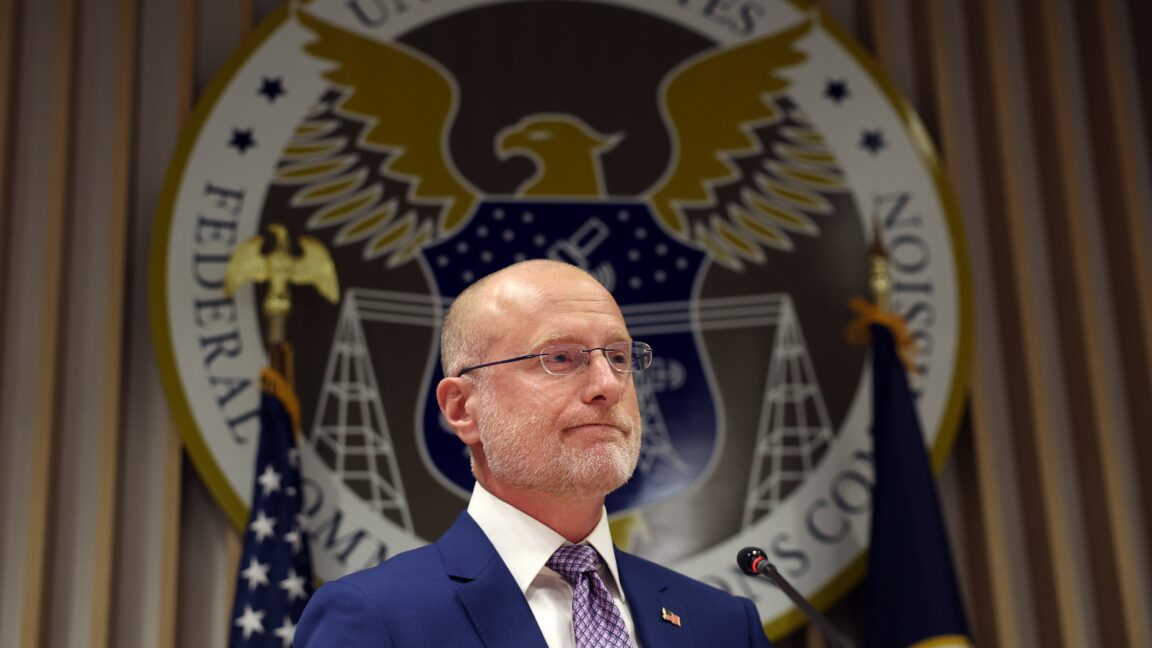
Cable industry to sue, says FCC can't repeal TV ownership limit set by Congress.
Prices of public records tracking cops' use of Flock go up as backlash swells.
The tool can free up over 12GB of storage.
The entire field of optogenetics traces back to light-seeking algae.